Dota 2 Beginner's Guide: Heroes, Lanes, and Core Concepts
A thorough beginner's guide to Dota 2 covering hero roles, lane assignments, item fundamentals, and performance tuning.
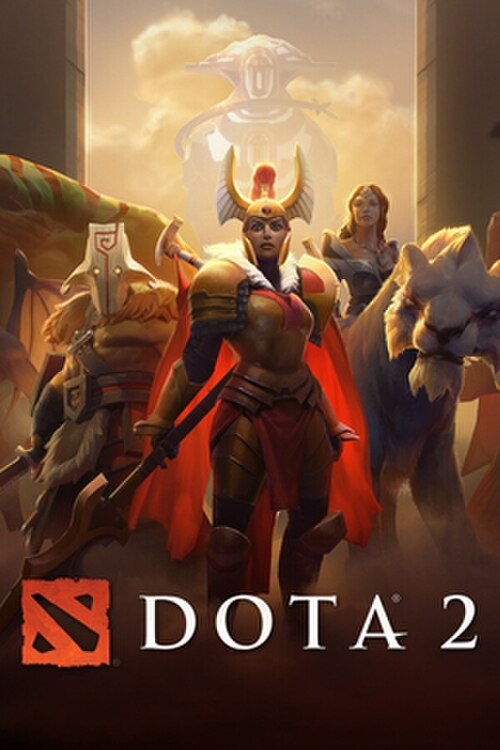
Dota 2 is widely considered one of the deepest competitive games ever made, with a long-running professional scene and the largest prize pool in esports history. It's also notoriously unforgiving for new players — the learning curve is real, steep, and humbling. But a few core concepts make the first matches dramatically less overwhelming.
Dota 2 Is Hard — Here's How to Approach It
Set your expectations before you start. Dota 2 has over 120 heroes, each with unique abilities. It has a complex item system with hundreds of options that interact with those abilities. It has mechanics that exist nowhere else in gaming (like denying your own creeps). A full match takes 30-60 minutes, and losing means you sat through all of that.
Your first 20-30 games will likely be losses. This is normal. Professional players with 10,000+ hours lose games. The difference between a good beginner and a bad one isn't how many games they win — it's what they're paying attention to. Focus on one thing per game: last-hitting in game 1, buying a TP every game in game 2, not dying to the map in game 3. Trying to learn everything at once is the fastest path to quitting.
Dota 2 also has a bot mode and hero guides written by experienced players available in-game. Use both. The bots are good enough to practice mechanics, and the guides show you what items to build without having to research externally every session.
The Map and Objectives
Dota 2 is played on a square map with two teams: Radiant (bottom-left) and Dire (top-right). Each team starts at their Ancient — a large structure inside their base. The goal is to destroy the enemy Ancient. Everything else is in service of that objective.
Three lanes connect the two bases: Top, Mid, and Bottom. Creeps (neutral units) spawn in waves and march down these lanes constantly. They automatically attack each other and attack enemy towers. Towers are your first line of defense — losing them gives the enemy team more map control and gold.
Roshan is a powerful neutral boss that spawns in a pit on the river. Killing him grants the Aegis of the Immortal — a temporary second life for one hero. Most major teamfights in Dota 2 happen over Roshan, especially in the midgame.
The jungle sits between and around the lanes. It contains neutral creeps that respawn on a timer and can be farmed for gold and experience. Support heroes often stack jungle camps (pulling two spawns into one area) to increase farm efficiency for their carry.
Beginner-Friendly Heroes
With 120+ heroes, picking where to start is genuinely overwhelming. Start with these three and learn one at a time:
Sniper (carry/DPS): Long attack range means you stay far from danger while dealing damage. His Shrapnel ability is a point-and-click AoE that doesn't require precise targeting. His Assassinate ultimate is a global-range long-cast sniper shot — useful and satisfying. His weaknesses (no escape, dies to any gap-closer) teach you to position safely, which transfers to every other carry.
Lich (support): His Q (Frost Blast) is a targeted nuke that slows and deals area damage. His W (Frost Shield) protects allies. His E (Sacrifice) converts a friendly creep into mana — which also denies it (denying is explained below). His Chain Frost ultimate bounces between enemies and deals massive damage in teamfights. He's simple, has immediate impact, and teaches support fundamentals.
Dragon Knight (offlane/carry): Tanky melee hero with a reliable stun (Dragon Tail), passive damage mitigation (Dragon Blood), and a Dragon Form ultimate that makes him ranged and adds bonus effects. He's straightforward to itemize, hard to zone out of lane, and his durability forgives positional mistakes that kill squishier heroes.
Last Hitting and Denying
This is Dota 2's core early-game mechanic and the one that most separates it from every other MOBA.
Last hitting: You only receive gold from a creep kill if your hero lands the killing blow. Your allies and neutral creeps can steal the kill (and the gold) if you attack carelessly. The goal in lane is to time your attacks to connect at the exact moment the creep's health reaches 0. This requires watching creep health bars constantly and learning how much damage your hero does per hit.
Denying: You can attack your own team's creeps when they're below 50% health. If you kill them, the enemy team gets no gold and reduced experience from those creeps. This mechanic is unique to Dota 2. Good support play involves denying as many ally creeps as possible to starve the enemy carry of resources.
Practice both in bot matches. Last hitting feels awkward for the first 10 hours. It becomes natural.
Item Basics
Dota 2's item system is more complex than any other MOBA. Basic orientation:
The courier automatically delivers items from the shop to you in the field, which means you don't need to walk back to base to buy items if your courier is free. Tap the courier key (F1 by default on shared courier, or your personal courier key) to deliver when you need items quickly.
Consumables you should buy every game:
- Town Portal Scroll (TP Scroll): 90 gold. Teleports you to any allied tower or building. Use it constantly. This is explained more below.
- Clarity: Restores mana. Critical for supports who run out of mana constantly in early game.
- Tango: Restores HP by eating a tree. Gives you lane sustain without walking back to base.
- Salve: Faster HP restore, breaks on taking damage. Use when safe.
Core items are specific to each hero and shown in the in-game hero guide. For Lich, that's Arcane Boots into Aether Lens into Aghanim's Scepter. For Sniper, it's Phase Boots into Dragon Lance into Daedalus. Follow the guide until you understand why each item is good for your hero.
The Importance of TP Scrolls
Buy a TP Scroll at the start of every single game. No exceptions.
A TP Scroll costs 90 gold. It teleports you to any allied tower or structure with a 3-second cast time. Its uses:
- Save a dying ally: Teleport to their tower, arrive just in time to turn a 1v1 the enemy overextended to win. This happens constantly in pubs and is the single highest-impact play a support can make.
- Defend a tower: A tower being pushed without a TP means you lose the tower. With a TP, you arrive in 3 seconds and can contest.
- Rotate after farming: Instead of walking 2 minutes across the map, TP to the nearest tower and walk the short distance.
- Escape a losing fight: If you're being chased, cast TP behind terrain or trees that block the enemy's path. The 3-second cast completes before they reach you.
Players who don't buy TPs die to ganks they could have avoided, lose towers they could have defended, and miss teamfights they could have attended. It's 90 gold. Always have one.
Roles and Lane Assignment
Dota 2 uses a numbered position system (1-5) that maps to gold/farm priority:
| Position | Role | Lane | Farm Priority |
|---|---|---|---|
| 1 | Hard Carry | Safe Lane (with pos 5) | Highest |
| 2 | Mid Laner | Mid Lane (solo) | High |
| 3 | Offlaner | Off Lane (often solo) | Medium |
| 4 | Soft Support | Roaming / Off Lane support | Low |
| 5 | Hard Support | Safe Lane (with pos 1) | Lowest |
Supports (positions 4 and 5) sacrifice their own farm to ensure carries get more. Position 5 is the purest form of this: buy wards, buy courier upgrades, help the carry last-hit, and die instead of your carry when things go wrong. It sounds thankless but it has a high skill ceiling and teaches the game's macro mechanics faster than farming roles.
Beginners are often told to start at Position 5 because you can focus on learning the map, objectives, and support items without worrying about last-hitting under pressure.
Common Beginner Mistakes
Not buying a TP: Covered above. This is the #1 beginner mistake with the highest cost. Buy it at the start. Rebuy it immediately after using it.
Splitting from the team late game: Dota 2 has complex split-pushing mechanics that work in specific hero and item contexts. For beginners, the rule is simple: when your team is grouping for a push or a Roshan attempt, go with them. Farming a jungle camp across the map while your team has a 5v5 fight means your team is fighting 4v5.
Ignoring the minimap: Most beginner deaths are caused by walking into a part of the map with no vision. If the enemy heroes aren't visible on the minimap, assume they could be anywhere. Either ward the key spots or don't overextend.
Attacking creeps randomly instead of last-hitting: Every unnecessary creep attack pushes the wave toward the enemy tower, making it harder and more dangerous for you to last-hit, and easier for the enemy to harass you safely. In the early game, only attack creeps when you're last-hitting.
Feeding Roshan alone: Roshan can kill any hero who isn't adequately geared for him. Don't attempt Roshan solo or with a random ally when no one is coordinating. Wait for your team.
For performance tuning, Dota 2 is moderately demanding in teamfights with heavy particle effects. See how to increase FPS on Windows for system-level steps and best router settings for gaming for stable ping on ability timing.
Priya Anand
Hands-on PC builder and gaming hardware writer at GameInfoZone. Focused on practical, no-hype advice for everyday gamers.
Need Help With Your Gaming Setup?
From custom builds to fixing low FPS and lag, our techs can help you get the most out of your gaming PC.
Request Gaming PC HelpGet Gaming Deals & Setup Tips
Join the GameInfoZone newsletter for gaming gear deals, PC build tips, and performance guides.
Related Articles
Valorant Beginner's Guide: Agents, Roles, and Core Strategy
A thorough beginner's guide to Valorant covering agent roles, economy basics, ability usage, and performance tuning.
Stardew Valley Beginner's Guide: Farm Layout, Early Priorities, and Time Management
A thorough beginner's guide to Stardew Valley covering farm layout choices, early-game priorities, time management, and core systems.
Rocket League Beginner's Guide: Car Control, Positioning, and Boost Management
A thorough beginner's guide to Rocket League covering car control basics, positioning, boost management, and performance tuning.